You Won’t Believe What I Ate in Valencia’s Wild Side
When I told friends I was heading to Valencia for the food, they expected paella and horchata. But what I found went way beyond city flavors—I stumbled upon a world where protected natural parks meet farm-to-table magic. Think wild herbs foraged from Albufera Natural Park, grilled octopus at a lagoon-side chiringuito, and oranges so fresh they taste like sunshine. This is food with soul, rooted in land and tradition. Let me take you where the real flavor begins.
Beyond the City: Discovering Valencia’s Protected Natural Landscapes
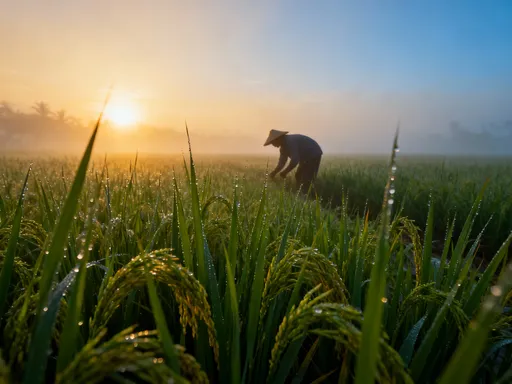
Valencia is often celebrated for its futuristic City of Arts and Sciences or its golden urban beaches, but its true culinary heartbeat lies beyond the city limits—in a network of protected natural areas that cradle the region’s agricultural and gastronomic identity. The Albufera Natural Park, just south of the city, is perhaps the most iconic of these sanctuaries. Spanning over 21,000 hectares, this freshwater lagoon and its surrounding wetlands form a vital ecosystem that has sustained Valencian farming and fishing for centuries. It is here that the legendary Bomba rice, essential to authentic paella, is cultivated in flooded fields that mirror the sky at dawn.
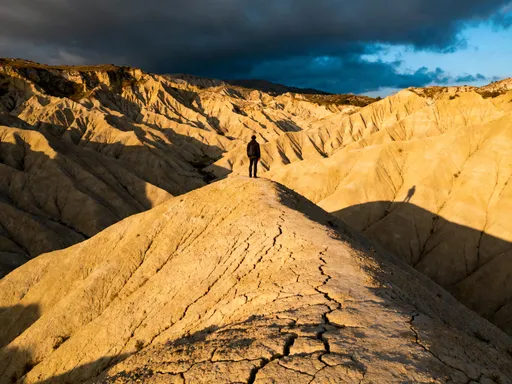
Equally significant is the Sierra de Calderona, a rugged mountain range northeast of Valencia that acts as a green corridor between the coast and inland plains. Protected under regional conservation laws, its pine forests, limestone cliffs, and seasonal streams create microclimates ideal for wild herbs, mushrooms, and aromatic plants. These areas are not merely scenic retreats for hikers and birdwatchers—they are active contributors to the region’s food chain. The preservation of these landscapes ensures that ingredients remain pure, seasonal, and deeply connected to their terroir. Unlike industrial farmland, these zones operate in harmony with nature, allowing traditional practices to thrive without compromising ecological balance.
What sets Valencia’s protected zones apart is their integration into daily life. Unlike remote national parks that feel disconnected from human activity, these areas are lived-in, worked, and cherished. Farmers, fishermen, and foragers rely on them not just for income but for cultural continuity. Environmental protection here does not mean exclusion; it means sustainable coexistence. The regional government, in collaboration with local cooperatives, enforces strict regulations on water use, pesticide application, and land development, ensuring that agriculture remains low-impact and biodiversity flourishes. This balance is why the flavors of Valencia’s wild side remain distinct—untouched by mass production, yet deeply nourished by tradition.
The Heart of Valencian Flavor: How Nature Shapes the Plate
The cuisine of Valencia is not invented in kitchens—it is grown, caught, and gathered from the land itself. Every bite tells a story of soil, water, and climate, shaped by the very ecosystems that define the region. In Albufera, for example, the slow-growing Bomba rice absorbs the mineral-rich waters of the lagoon, resulting in grains that are plump, resilient, and capable of absorbing saffron and broth without becoming mushy—a quality that makes it the gold standard for paella. This rice is not mass-produced; it is planted in spring, flooded through summer, and harvested by hand in autumn, following cycles that have changed little in generations.
High in the Sierra de Calderona, the story continues with wild asparagus, a spring delicacy foraged from rocky slopes and forest edges. These slender green shoots, with their earthy bitterness and crisp texture, are a favorite in rural masías (country estates), where they are simply sautéed with garlic and olive oil. Their flavor is intense because they grow without irrigation or fertilizers, adapting to the harsh mountain conditions. Similarly, wild thyme, rosemary, and fennel flourish in the sun-baked hills, their essential oils concentrated by heat and drought, making them far more aromatic than cultivated versions.
Citrus groves, another hallmark of Valencia’s agricultural landscape, benefit from the clean mountain springs that feed the Turia and Júcar rivers. Oranges and mandarins grown in Requena and Carlet are renowned for their juiciness and balanced sweetness, qualities directly linked to the region’s limestone-rich soil and Mediterranean climate. Because these groves are often located near or within protected watersheds, farmers use drip irrigation and organic pest control, minimizing environmental impact. The result is fruit that tastes unmistakably of place—bright, floral, and alive. These ingredients are not just food; they are expressions of a landscape that has been carefully preserved, where nature and culture nourish each other.
Farm, Fish, Forest: The Source of Every Bite
To understand Valencia’s wild cuisine, one must meet the people who sustain it. In Albufera, I visited a fourth-generation rice farmer named Javier, who farms just 12 hectares of flooded paddies. “We don’t fight the water,” he told me, “we work with it. The lagoon gives us rice, and we give back by keeping the channels clean and the birds fed.” His fields are surrounded by reeds where herons nest and kingfishers dive, a sign of ecological health. He uses no synthetic fertilizers, relying instead on crop rotation and natural sediment deposits to enrich the soil. His rice is sold directly to local restaurants and cooperatives, ensuring fair prices and traceability.
On the lagoon’s edge, I met Elena, a fisherwoman who manages a small eel and mosquito fishery. Eel, once a staple of rural Valencian diets, is now a delicacy due to declining populations elsewhere in Europe. But in Albufera, sustainable harvesting practices—such as seasonal bans and size limits—have allowed the population to stabilize. Elena uses traditional woven traps and releases undersized fish, following methods passed down from her grandmother. “The lagoon is our pantry,” she said, “but only if we respect it.” Her catch supplies a handful of riverside restaurants, where grilled eel with lemon and rosemary is a seasonal highlight.
In the hills above Requena, I toured an organic citrus farm run by the Martínez family. Their 30-hectare grove grows Navel, Navelina, and Mandarina de Crevillent varieties, all certified under the Protected Geographical Indication (PGI) “Naranjas de Valencia.” They use solar-powered irrigation and introduce beneficial insects to control pests, avoiding chemical sprays. “When you taste our orange,” said María, the youngest daughter, “you’re tasting the sun, the rain, and our care.” The farm also hosts seasonal pick-your-own events, connecting urban visitors with the source of their food. These small-scale producers are the backbone of Valencia’s culinary authenticity, proving that sustainability and flavor go hand in hand.
From Hidden Huts to Riverside Eateries: Where to Eat in the Wild
The true magic of Valencia’s wild side is best experienced at its most authentic dining spots—places that are not listed in glossy guides but are cherished by locals. In El Palmar, a fishing village on the edge of Albufera, traditional arròs huts serve paella cooked over open fires fueled by orange wood. One such place, La Pepica del Llac, is run by a family that has been hosting visitors for over 50 years. The setting is simple: wooden tables under a thatched roof, the sound of lapping water, and the scent of saffron and smoke in the air. Their signature dish, arròs a la cazadora (hunter’s rice), combines rabbit, snails, and wild mushrooms foraged from nearby dunes, creating a deep, earthy flavor that city versions rarely match.
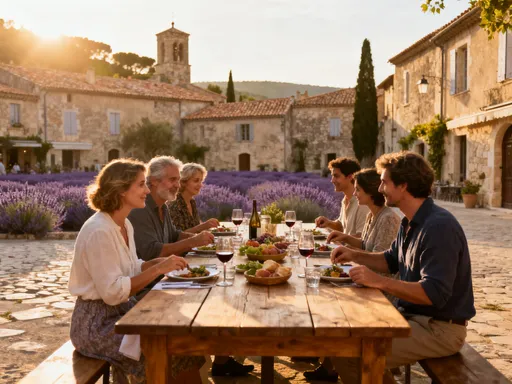
Further inland, restored masías offer slow-food experiences rooted in seasonal abundance. Masía El Collado, nestled in the foothills of Sierra de Calderona, serves a six-course tasting menu that changes weekly based on harvests. One evening featured wild asparagus soup with almond milk, grilled kid goat with rosemary honey, and a citrus tart made with freshly squeezed oranges. The owners grow much of the produce in their garden and partner with neighboring farms for the rest. The ambiance is warm and unpretentious—stone walls, candlelight, and the occasional strum of a guitar from a guest. These are not restaurants in the conventional sense; they are gatherings, where food is shared like a gift.
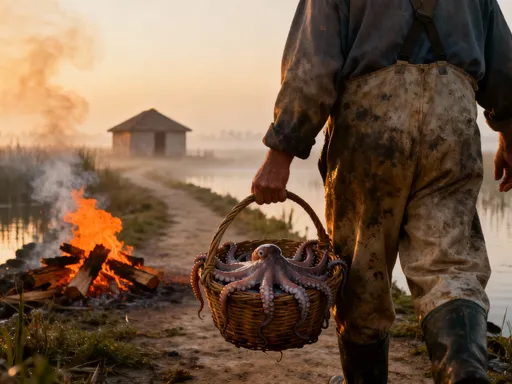
Along the coast, eco-conscious chiringuitos are redefining beach dining. Mar i Vent, near the mouth of the Júcar River, uses solar panels, composts food waste, and sources seafood only from certified sustainable fisheries. Their grilled octopus with paprika and boiled potatoes is a standout, served on reusable ceramic plates. Access to these places varies—some require a short hike or bicycle ride, others are reachable by local bus or rental car—but the effort is part of the experience. By choosing these venues, travelers support local economies and help preserve culinary traditions that might otherwise fade. Reservations are recommended, especially on weekends, and cash is often preferred, adding to the rustic charm.
A Day in the Life: A Food-Focused Adventure Through Protected Terrain
Imagine starting your day before sunrise, paddling a kayak through the misty channels of Albufera. The water is still, reflecting the pale sky, as herons take flight and dragonflies skim the surface. You glide past rice fields and reed beds, stopping to watch a kingfisher dive for breakfast. By 8 a.m., you reach El Palmar, where the morning market is already bustling. Farmers display baskets of wild herbs, jars of artisan honey, and crates of just-picked citrus. You buy a bag of rosemary-scented sea salt from a local producer and a bundle of fresh fennel to take home.
By 10 a.m., you’re seated at La Pepica del Llac, where the chef is already stoking the fire for lunch. You watch as he spreads rice in a wide, shallow pan, adds saffron-infused broth, and arranges pieces of rabbit and snail. The paella cooks for 20 minutes, untouched, until the bottom forms a golden crust known as socarrat—the prized layer that every Valencian knows to fight over. Over lunch, you sip a chilled glass of Moscatel, a local white wine with floral notes that cuts through the richness of the dish.
In the afternoon, you drive to Masía El Collado, winding through olive groves and cork oak forests. A guided tour of the garden reveals rows of artichokes, purple kohlrabi, and climbing beans. You help harvest lettuce for the evening’s salad, a small act that deepens your connection to the meal. Dinner is a celebration of the day’s journey—each course a tribute to the land. As the sun sets behind the mountains, you raise a glass of homemade orange liqueur, feeling not like a tourist, but like a guest at a long table of friends. Practical tip: rent a bicycle or electric car to minimize your footprint, and always carry a reusable water bottle and shopping bag.
Sustainable Savoring: How Travelers Can Eat Responsibly
Enjoying Valencia’s wild cuisine comes with a responsibility—to protect the very ecosystems that make it possible. One of the simplest ways to do this is by eating seasonally. Menus in Albufera change with the calendar: eel in winter, wild asparagus in spring, grilled vegetables in summer, and game or mushrooms in autumn. Choosing dishes based on what’s fresh ensures you’re not supporting out-of-season imports that strain resources. Many restaurants proudly display seasonal menus; look for terms like “de temporada” (in season) or “producto local” (local product).
Another key practice is supporting certified producers. The PGI “Arroz de Valencia” and “Naranjas de Valencia” labels guarantee authenticity and sustainable farming methods. When shopping at markets, ask vendors about their sourcing—many will happily explain their practices. Avoid overfished species like bluefin tuna or shark, and opt for abundant local choices such as gilthead bream, sardines, or octopus from regulated fisheries.
Minimizing waste is equally important. Carry reusable containers for leftovers, decline single-use plastics, and choose restaurants that compost or recycle. Some masías even offer cooking classes that teach zero-waste techniques, such as using citrus peels for marmalade or vegetable scraps for broth. By making mindful choices, travelers help maintain the delicate balance between tourism and conservation. Every meal becomes an act of stewardship, ensuring that future generations can taste the same sun-kissed oranges and hear the same lagoon birds at dawn.
Why This Matters: The Bigger Picture of Food, Land, and Legacy
Valencia’s wild side offers more than extraordinary flavors—it offers a model for how food and nature can thrive together. In an age of industrial agriculture and climate uncertainty, these protected landscapes stand as living proof that sustainability is not a sacrifice, but a source of richness. The rice fields of Albufera, the citrus groves of Requena, the forests of Sierra de Calderona—they are not just scenic backdrops, but active guardians of cultural identity. When we eat food grown in harmony with nature, we participate in a legacy of care, passed from farmer to cook to table.
This connection is especially meaningful for women, who have long been the keepers of family recipes and seasonal rhythms. In rural Valencian homes, grandmothers still teach their daughters how to dry tomatoes in the sun, preserve lemons in salt, and time the rice harvest by the moon. These traditions are not relics; they are resilient practices that honor both land and lineage. By visiting these places with respect and curiosity, travelers—particularly women who value nourishment, family, and heritage—can deepen their understanding of food as a bridge between generations.
So when you plan your next trip to Valencia, look beyond the city. Seek out the hidden huts, the morning markets, the quiet trails where wild thyme grows. Let your journey be guided not by convenience, but by connection. Taste the rice that remembers the lagoon, the orange that drank mountain spring water, the octopus that swam in clean, protected seas. And as you savor each bite, remember: you are not just eating—you are honoring a way of life. Come not as a consumer, but as a guest. And leave with more than memories—with a renewed belief that the best flavors are those grown with care, shared with love, and protected for the future.