Lost in the Rose-Red City: My Petra Adventure You Can’t Unsee
Have you ever walked through a canyon carved by time, where the walls blush pink and ancient secrets whisper from every stone? Petra, Jordan’s legendary archaeological wonder, is exactly that—and more. I didn’t just visit Petra; I lived it. From sunrise hikes to hidden trails only locals know, this journey redefined what adventure means. Every turn felt like stepping into a movie set, but real. If your soul craves beauty, history, and moments made for your camera roll, Petra delivers—hard. More than a destination, it’s a sensory awakening, a dialogue between the earth and human ingenuity that spans millennia. This is not just a trip—it’s a transformation written in sandstone.
Arrival in Wadi Musa: First Impressions of Petra’s Gateway Town
Wadi Musa, the small desert town cradling the entrance to Petra, greets visitors with quiet charm and understated energy. Nestled in a valley surrounded by rust-colored hills, it serves as the essential gateway to one of the world’s most breathtaking archaeological sites. The drive from Amman—about three hours by private car or organized transfer—winds through Jordan’s rugged interior, shifting from arid plains to rocky highlands. As you descend into Wadi Musa, the landscape feels both ancient and alive, dotted with modest homes, local markets, and guesthouses built into the natural contours of the terrain. The air is dry but clean, carrying the faint scent of wild thyme and dust stirred by passing donkeys and carts.
Accommodations in Wadi Musa range from eco-conscious lodges to family-run boutique hotels, many offering panoramic views of the surrounding cliffs. Staying within walking distance of the Petra Visitor Center is ideal, especially for early risers eager to beat the midday heat and crowds. Recommended options include properties with rooftop terraces where guests can enjoy morning tea under a sky still dusted with stars. Some lodgings even partner with local Bedouin communities to offer authentic cultural experiences, such as traditional meals prepared in clay ovens or storytelling sessions under the open sky. These touches add depth to the stay, grounding the modern traveler in the rhythms of desert life.
For those arriving from Aqaba in the south, the journey takes about two hours along Highway 65, a well-maintained route that passes through dramatic desert scenery. Public buses operate regularly between major cities and Wadi Musa, though renting a vehicle or hiring a driver offers greater flexibility, particularly when returning late in the day. The best time to arrive is late afternoon, allowing time to settle in, hydrate, and explore the town’s modest center. Visitors are encouraged to purchase their Petra entry tickets at the official site or Visitor Center the day before to avoid morning queues. This small act of preparation sets the tone for a smooth and immersive experience.
Acclimating to the dry climate is essential. Humidity levels hover near 20%, and temperatures can swing dramatically between day and night. Lightweight, breathable clothing, a wide-brimmed hat, and high-SPF sunscreen are non-negotiable. Hydration begins the moment you arrive—local guesthouses often provide refillable glass bottles, reducing plastic waste while encouraging responsible tourism. Wadi Musa may lack the glamour of larger cities, but its simplicity is part of its appeal. It doesn’t distract; it prepares. Here, anticipation builds quietly, like the first light before dawn.
Sunrise at the Siq: Walking Into a Dream
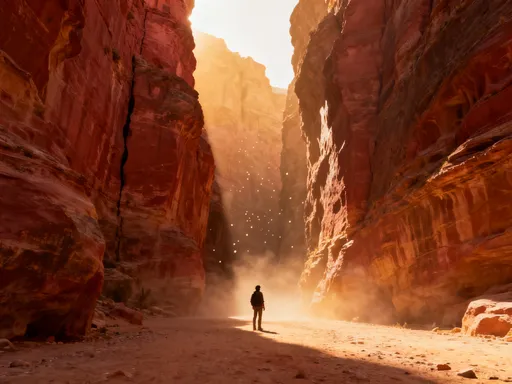
The true Petra experience begins long before the sun rises. Most visitors enter the site between 5:30 and 6:00 a.m., when the desert air is cool and the first hints of light begin to color the horizon. The path into Petra starts with a wide, flat approach, but soon narrows into the Siq—a natural geological fissure over a kilometer long, flanked by towering sandstone walls that rise up to 80 meters on either side. Walking through the Siq at dawn is unlike any other moment in travel. The silence is profound, broken only by the soft crunch of footsteps, the distant call of a shepherd, or the occasional clip-clop of a donkey’s hooves. Light filters in gradually, painting the rock in shifting hues of rose, amber, and deep crimson. It feels less like walking and more like drifting through a living dream.
Geologically, the Siq was formed by tectonic activity and centuries of water erosion, but to the ancient Nabataeans, it was a sacred processional way leading to their most important temple—the Treasury. The walls, carved by nature and admired by humans, bear intricate striations that tell stories of time itself. Some sections squeeze so tightly that only one person can pass at a time. Others open slightly, revealing slivers of sky or hidden carvings tucked into alcoves. Along the path, remnants of the Nabataean water system—channels carved into the rock—still line the base, a testament to their engineering mastery. These details, often overlooked in the rush to reach the Treasury, deepen the sense of wonder.
Entering early offers more than photographic advantage; it provides emotional resonance. By arriving at sunrise, travelers avoid the midday heat, which can exceed 35°C (95°F) in summer, and escape the crowds that begin to pour in by 8:00 a.m. The experience becomes personal, intimate. There are no loud voices, no selfie sticks blocking the view—just the quiet communion between visitor and landscape. Footwear matters: sturdy walking shoes with good grip are essential, as the path can be uneven and slippery in places, especially after rare desert rains. Sandals or flip-flops are strongly discouraged, not only for safety but for comfort on the long walk.
As the sun climbs higher, the play of light transforms the Siq. Shadows retreat, and the rock seems to glow from within. This is the moment when photography reaches its peak—soft, directional light enhances texture and depth without harsh contrasts. Yet even without a camera, the memory imprints itself. The Siq is not merely a corridor; it is a threshold. Every step forward increases the sense of anticipation, as if the mountain itself is guarding a secret too magnificent to reveal all at once.
The Treasury Revealed: Beyond the Instagram Frame
Then, suddenly, it appears. Framed perfectly at the end of the Siq, bathed in golden morning light, stands Al-Khazneh—the Treasury—one of the most iconic facades in human history. Carved directly into the sandstone cliff around the 1st century BCE, this monumental structure rises over 40 meters tall, its intricate columns, broken pediment, and ornate urn crowning a masterpiece of Nabataean architecture. For first-time visitors, the emotional impact is immediate and overwhelming. Some gasp. Others fall silent. Many simply stand, unable to process the scale and beauty before them. It’s a moment that transcends tourism; it feels like witnessing something sacred.
Despite its name, the Treasury was not a royal vault. Archaeologists believe it was likely a mausoleum or temple dedicated to a Nabataean king, possibly Aretas IV. The name “Al-Khazneh” comes from local Bedouin tradition, which held that an ancient pharaoh hid treasure inside the stone urn atop the facade—hence the bullet marks still visible on the urn from attempts to break it open. While the myth endures, the real treasure lies in the artistry and engineering: the precise symmetry, the fusion of Hellenistic and Eastern design, and the sheer audacity of carving such a structure from solid rock.
Photography at the Treasury is both a privilege and a challenge. The best light occurs within the first two hours after sunrise, when the sun strikes the facade at a low angle, emphasizing texture and shadow. Later in the day, harsh overhead light flattens the details, making images appear washed out. For a unique perspective, stepping slightly to the left or right of the central path allows for framing with the Siq in the background, creating a sense of depth. Silhouettes of other visitors can add scale and movement, turning a static shot into a narrative. Tripods are permitted but must be used discreetly to avoid obstructing others.
Respect for the site is paramount. Climbing on the Treasury or any other monument is strictly prohibited, not only for preservation but for safety. Drones are banned throughout Petra to protect both the archaeological integrity and the experience of other visitors. Instead of chasing the perfect photo, many find deeper satisfaction in simply observing—watching how the light shifts over the stone, how shadows move across the columns, how the color changes with the hour. These subtle transformations remind us that Petra is not a frozen relic but a living landscape, shaped by time and witnessed by generations.
Climbing to the Monastery: A Challenging but Rewarding Detour
While the Treasury draws the crowds, the Monastery—Ad-Deir—offers a quieter, more contemplative experience. Located at the far end of the site, accessible via a steep 800-step staircase carved into the mountainside, the journey to Ad-Deir is not for the faint of heart. The hike takes about 45 to 60 minutes from the main trail, depending on fitness level, and gains over 200 meters in elevation. Yet for those willing to make the climb, the reward is unmatched. Larger than the Treasury—measuring 50 meters wide and 45 meters high—the Monastery was likely used for religious gatherings rather than burial. Its massive, unadorned facade exudes power and solemnity, standing like a sentinel over the surrounding canyons.
The path to the Monastery winds through rugged terrain, passing ancient cisterns, rock shelters, and occasional goat herders tending their flocks. Unlike the well-trafficked Siq, this trail feels wilder, more authentic. Benches and small tea stalls appear at regular intervals, operated by Bedouin families who offer cold drinks, fresh-squeezed lemonade, and warm hospitality. Stopping for a short break not only restores energy but provides an opportunity to connect with local stewards of the land. Their presence is a reminder that Petra is not just an archaeological site—it is a living cultural landscape.
Preparation is key. Hikers should carry at least one liter of water, wear breathable, moisture-wicking clothing, and apply sunscreen before departure. A lightweight scarf can serve multiple purposes—protection from sun, dust, or sudden breezes. While the ascent is demanding, the pace can be adjusted to individual comfort. Many older visitors and those with moderate fitness complete the climb successfully by taking frequent breaks. Children often find the journey exciting, especially the discovery of ancient petroglyphs etched into the rocks along the way.
Upon arrival, the courtyard in front of the Monastery offers space to sit, reflect, and take in the panoramic views. On clear days, the vista stretches across the rugged mountains of southern Jordan, a sea of red and ochre ridges fading into the horizon. The sense of solitude is profound. While the Treasury feels like a theatrical reveal, the Monastery feels like a personal discovery. Fewer visitors make the journey, and those who do often speak of a spiritual connection to the place. It’s not uncommon to hear soft prayers or see visitors sitting in quiet contemplation, notebooks in hand or eyes closed, absorbing the stillness.
Exploring the Royal Tombs and High Place of Sacrifice
Beyond the Treasury and Monastery, Petra unfolds into a vast archaeological landscape filled with lesser-known but equally compelling sites. The Royal Tombs, a cluster of grand facades carved into the eastern cliffside, offer a deeper understanding of Nabataean burial practices and social hierarchy. These include the Urn Tomb, the Silk Tomb, the Corinthian Tomb, and the Palace Tomb, each distinguished by unique architectural details. The Urn Tomb, in particular, features a spacious interior that was later converted into a Byzantine church, with traces of frescoes still visible on the walls. Walking through these spaces, one senses the reverence with which the Nabataeans treated their dead.
The High Place of Sacrifice, accessible via a steep but well-marked trail from the Royal Tombs, provides one of the most comprehensive views of Petra. This ceremonial platform, believed to have been used for religious offerings and astronomical observations, sits atop a mountain peak with 360-degree visibility. From here, visitors can see the entire valley—the Siq, the Colonnaded Street, the Theater, and even the distant outline of the Monastery. Stone altars, drainage channels, and rock-cut basins remain in place, offering clues about ancient rituals. The climb is moderate but exposed, so sun protection and hydration are essential.
Combining these sites into a midday route is highly recommended. While the central areas of Petra become crowded and hot by late morning, the higher elevations offer cooler breezes and dappled shade. The sunlight at this time of day enhances the texture of the carvings, making details more visible. Photographers appreciate the contrast between light and shadow, while history enthusiasts value the opportunity to explore beyond the main attractions. Guided tours led by licensed local experts can enrich the experience, offering context about Nabataean beliefs, trade networks, and the eventual decline of Petra after earthquakes and shifting trade routes.
These sites remind us that Petra was not just a city of tombs and temples but a thriving urban center. The Nabataeans were skilled merchants who controlled the incense trade between Arabia and the Mediterranean. Their wealth funded monumental architecture, sophisticated water management systems, and cultural exchange. The Royal Tombs and High Place of Sacrifice reflect not only religious devotion but also political power and social complexity. To visit them is to move beyond the postcard image and engage with the full story of a civilization that flourished in the desert over two thousand years ago.
Local Encounters: Culture Between the Carvings
No visit to Petra is complete without connecting with the people who call this landscape home. The Bdoul tribe, a Bedouin community historically linked to the site, has lived in and around Petra for generations. Many now work as guides, artisans, or hospitality providers, sharing their knowledge and traditions with visitors. A simple gesture—accepting a cup of mint tea offered by a vendor near the Theater—can open the door to meaningful conversation. These interactions are not performances; they are genuine expressions of Jordanian hospitality, known locally as *karam*.
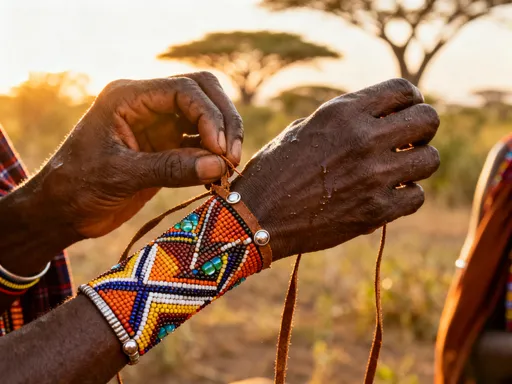
Supporting local artisans is one of the most ethical ways to engage. Handcrafted items such as silver jewelry, woven textiles, and stone carvings are sold at small stalls throughout the site. Purchasing directly from makers ensures that income stays within the community. Some women run cooperative shops featuring embroidered linens and traditional dresses, preserving cultural heritage through craft. Listening to stories—whether about childhood memories of living in caves or the changes brought by tourism—adds emotional depth to the experience. These narratives humanize the landscape, transforming stone carvings into lived history.
Children often approach visitors with shy smiles or playful waves, sometimes offering to draw simple sketches in exchange for small tips. These moments, though fleeting, are among the most memorable. They remind us that Petra is not a museum frozen in time but a dynamic place where past and present coexist. Engaging respectfully—smiling, saying “shukran” (thank you), and asking permission before taking photos—builds trust and mutual appreciation. Even a brief conversation can leave a lasting impression, not just on the visitor but on the host.
Community-run walking tours, led by local guides who grew up in the area, offer an alternative to standard itineraries. These tours often include lesser-known paths, family histories, and insights into daily life in Wadi Musa. They also emphasize environmental stewardship, teaching visitors about water conservation, waste reduction, and the importance of preserving cultural heritage. By choosing such experiences, travelers contribute to sustainable tourism that benefits both people and place.
Sunset & Reflection: Why Petra Stays With You
As the sun begins to dip behind the western cliffs, Petra transforms once more. The rose-red stone glows with a deep, warm light, and long shadows stretch across the valley like fingers reaching into memory. The air cools, and the sounds of the day—chattering tourists, donkey bells, guide calls—gradually fade. Walking back through the Siq at sunset is a mirror image of the morning journey, but with a different emotional weight. The awe of discovery gives way to quiet reflection. The mind replays moments: the first glimpse of the Treasury, the shared tea with a Bedouin elder, the silence atop the High Place of Sacrifice. These are not just images; they are impressions etched into the soul.
Petra stays with you because it challenges the way we think about travel. It is not a checklist destination but a place of presence. It asks the visitor to slow down, to listen, to feel the weight of history in the palm of their hand. It reminds us that beauty, when coupled with meaning, becomes transformative. The preparation—early wake-ups, proper gear, hydration—pales in comparison to the reward: a renewed sense of wonder, a deeper appreciation for human resilience, and a quiet joy that lingers long after the journey ends.
For families, couples, and solo travelers alike, Petra offers a rare convergence of natural wonder, historical depth, and cultural authenticity. It does not dazzle with modern attractions but humbles with its timelessness. Returning home, one doesn’t just carry photos; one carries a changed perspective. The desert taught patience. The stone taught endurance. The people taught generosity. And the journey—every dusty step, every sip of tea, every silent moment in the canyon—became part of a personal story.
If you go, go with intention. Arrive early. Step off the main path. Speak to the locals. Carry water, respect the rules, and let the landscape speak. Petra is not a place you see—it’s a place you feel. And once felt, it cannot be unseen.