You Gotta See This: Christchurch’s Wild Side Uncovered
Nestled on New Zealand’s South Island, Christchurch is more than just a city—it’s a gateway to nature’s greatest hits. I was blown away by how close wild beauty sits beside urban calm. From misty forests to glacial rivers, every corner delivers a punch of pure awe. This isn’t just sightseeing; it’s soul-refreshing. Let me take you through the natural wonders that made my trip unforgettable—real spots, zero hype, all magic.
The Green Heart of the City: Hagley Park & The Avon River
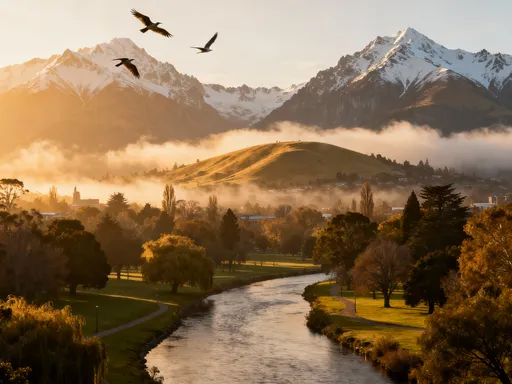
At the center of Christchurch lies a sprawling urban oasis—Hagley Park. Spanning over 165 hectares, it’s one of the largest city parks in New Zealand and a testament to how seamlessly nature and city life can coexist. Lush lawns roll beneath mature trees, winding pathways invite quiet strolls, and the Avon River meanders through it all like a silver thread. For visitors and locals alike, this green sanctuary offers a breath of fresh air amid the bustle of daily life. Whether you’re pushing a stroller, jogging at sunrise, or simply lying on a blanket with a book, the park’s calming energy is instantly felt.
The Avon River, which flows gently through the park, is best experienced by punting—a traditional flat-bottomed boat propelled by a long pole. On a crisp morning, gliding along the river feels like stepping into a dream. The water reflects willow trees that dip into its surface, and the only sounds are the soft splash of the pole and birdsong overhead. Herons stand motionless near the banks, kingfishers dart across the current, and ducks paddle lazily between the reeds. Punting tours are available year-round, and guides often share stories of the river’s history and the native plants lining its banks.
What makes Hagley Park truly special is its seasonal rhythm. In spring, cherry blossoms burst into soft pinks and whites, drawing families for picnics and photographers with tripods. Summer brings long evenings where people gather for outdoor concerts and open-air yoga. Autumn paints the park in warm golds and ambers, while winter offers crisp walks under clear skies. The park also houses the Christchurch Botanic Gardens, a 30-hectare haven within the haven, where glasshouses protect rare ferns and exotic blooms. With walking trails, a children’s playground, and cafes nestled among the trees, it’s a place where generations connect with nature without ever leaving the city.
Cathedral Square to the Coast: A City Built Between Mountains and Sea
Christchurch’s geography is nothing short of poetic. Nestled between the towering Southern Alps and the vast Pacific Ocean, the city exists in a landscape shaped by fire, ice, and sea. To the west, the mountains rise like sentinels, their snow-capped peaks visible on clear days. To the east, the coastline stretches with wide sandy beaches and rolling dunes. This unique positioning gives Christchurch a climate that’s mild yet dynamic—cool ocean breezes temper the summer heat, while mountain air keeps winters crisp and invigorating.
The city’s layout reflects this natural balance. Cathedral Square, once the heart of urban life, now stands as a symbol of resilience and renewal. Though the cathedral remains under restoration, the square pulses with energy—buskers play folk tunes, markets showcase local crafts, and food trucks serve everything from gourmet pies to artisan coffee. From here, a short drive leads eastward to the coast, where the rhythm of the city slows and the sea takes over.
New Brighton, a coastal suburb just 15 minutes from downtown, is a favorite among families and surfers. Its long wooden pier stretches into the ocean, a landmark that draws walkers regardless of the weather. On sunny days, children build sandcastles while parents lounge under colorful windbreaks. In winter, the beach transforms into a dramatic scene of crashing waves and gray skies, perfect for contemplative walks. The area is also home to a saltwater hot pool complex, where you can soak with ocean views—a rare treat in New Zealand’s coastal towns. Nearby, the Waimairi and South Brighton reserves protect native dune vegetation and offer walking trails where tūī and bellbirds flit among the flax bushes. These coastal escapes prove that even a brief retreat from the city can feel like a full immersion in nature.
Port Hills: Where Adventure Meets Panorama
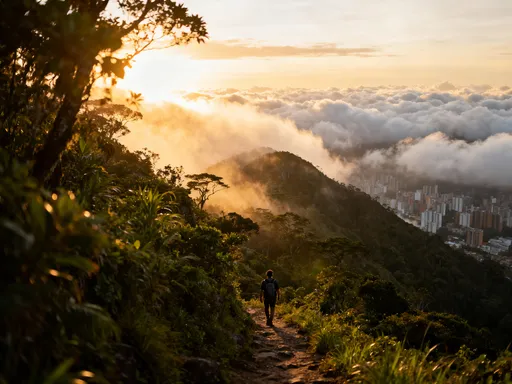
Rising above Christchurch to the southeast, the Port Hills are a rugged spine of volcanic rock and native bush. Part of the ancient Banks Peninsula, they were formed by eruptions over six million years ago and now offer some of the most rewarding outdoor experiences in the region. With trails ranging from gentle forest walks to steep climbs, the hills cater to all levels of adventurers. The views from the top—of the city, the Canterbury Plains, and the Pacific—are nothing short of breathtaking.
One of the most popular hikes is the Mount Cavendish Track. Starting from the Sign of the Takahe café, the trail winds through regenerating native forest, where rātā vines climb towering trunks and ferns carpet the forest floor. After about 45 minutes of steady climbing, you reach the summit of Mount Cavendish, standing at 445 meters. From here, the panorama unfolds in every direction: the city spreads out below, the harbor glimmers in the distance, and on clear days, you can even spot the distant peaks of the Southern Alps. A café and viewing platform at the top make it a perfect spot to rest, sip a hot drink, and take it all in.
For those seeking a more challenging trek, the Rapaki Track offers a steeper climb with rich cultural and ecological significance. This historic Māori trail was restored after the 2011 earthquakes and now serves as a symbol of resilience and reconnection. The path ascends sharply through native bush, past interpretive signs that tell the story of the area’s original inhabitants and the land’s healing process. At the summit, Rapaki Lookout provides a sweeping view of Lyttelton Harbour, a drowned volcanic crater that adds to the region’s dramatic geology. Conservation efforts are ongoing throughout the hills, with community groups planting thousands of native trees each year to restore habitats for birds like the kākā and kererū. These efforts ensure that the Port Hills remain not just a playground for adventure, but a living, breathing ecosystem.
The Road to Akaroa: Peninsula Wonders and French Flair
Just an hour’s drive from Christchurch, the journey to Akaroa is as enchanting as the destination itself. Winding along the Banks Peninsula, the road cuts through rolling hills, deep bays, and lush farmland. This area, formed by two massive volcanic eruptions millions of years ago, is now a patchwork of forests, farms, and coastal villages. Akaroa, nestled within a sheltered harbor, is the jewel of the peninsula—a town with a unique blend of French heritage and Kiwi charm.
Founded by French settlers in the 1840s, Akaroa retains its European flair in its street names, café culture, and pastel-painted buildings. But it’s the natural beauty that truly captivates. The harbor is home to the rare and playful Hector’s dolphin, one of the smallest and most endangered dolphin species in the world. Dolphin-watching tours operate daily, offering the chance to see these curious creatures leap beside the boat. Unlike larger marine parks, Akaroa’s tours emphasize conservation and low-impact viewing, ensuring that wildlife remains undisturbed.
For those who prefer to stay on land, the coastal walks around Akaroa are unforgettable. The Summit Walk, starting from the town, climbs to the top of the crater rim, where panoramic views stretch across the harbor and out to sea. The path passes through regenerating forest and open grasslands, with interpretive signs explaining the area’s geology and history. Another favorite is the Onawe Peninsula Track, which follows the shoreline and offers intimate glimpses of seabirds, penguins, and tidal pools. Back in town, local cafes serve fresh seafood, artisan ice cream, and French-inspired pastries, making it easy to linger for hours. Akaroa proves that nature and culture can coexist in perfect harmony—one day here feels like a journey through time, landscape, and flavor.
Glaciers Within Reach? The Gateway to Arthur’s Pass
For those craving high-alpine wilderness, Christchurch serves as the perfect launching point to Arthur’s Pass National Park. Located about two hours west of the city, this rugged expanse of mountains, rivers, and forests is part of the Southern Alps and offers some of the most dramatic scenery in New Zealand. While the glaciers themselves—like Fox and Franz Josef—are further south, Arthur’s Pass provides a taste of that icy grandeur without the long drive.
The journey along State Highway 73 is an adventure in itself. As you leave the Canterbury Plains, the road climbs into the mountains, winding through tunnels and alongside roaring rivers. Castle Hill, a surreal landscape of limestone boulders, is a popular stop for rock climbers and photographers. The formations, known as ‘kānuka’ by Māori, rise like ancient sentinels from the grassy slopes, creating a scene that feels almost otherworldly. Short walks like the Castle Hill Rocks Track allow visitors to explore this unique terrain up close.
Arthur’s Pass village, the main hub of the park, is small but full of character. Surrounded by towering peaks, it offers basic accommodations, a visitor center, and access to some of the country’s most iconic hikes. The Devil’s Punchbowl Waterfall, a 131-meter cascade, is reached via a well-maintained trail and is especially powerful after rain. The Weka Pass Track, another favorite, follows an old railway line and offers gentle walking through beech forest and river gorges. For experienced hikers, the park is a gateway to multi-day tramps like the famed Te Araroa Trail. With alpine flowers in summer, snow-dusted peaks in winter, and a rich diversity of birds—including the cheeky kea parrot—Arthur’s Pass is a year-round destination for those who love the wild.
Hidden Waterways: Exploring the Waimakariri and Rakaia Rivers
North and south of Christchurch lie two of the South Island’s most powerful rivers—the Waimakariri and the Rakaia. These braided rivers, with their wide, gravel-bed channels and ever-shifting courses, are a defining feature of the Canterbury landscape. Born from alpine glaciers, they carry snowmelt across the plains, creating vast ecosystems that support unique birdlife and plant species. While they may not be swimmable due to their cold temperatures and strong currents, they offer incredible opportunities for scenic flights, birdwatching, and quiet reflection.
The Waimakariri River, just north of the city, is a favorite for adventure seekers. White-water rafting tours operate seasonally, offering thrilling rides through rapids framed by mountain views. For a more serene experience, scenic helicopter flights provide a bird’s-eye view of the river’s intricate braids and surrounding peaks. These flights often include a landing on a remote glacier or mountain ridge, where passengers can step out into pristine silence. The river is also home to the endangered black-billed gull, one of the rarest gulls in the world, which nests on the gravel beds during breeding season.
To the south, the Rakaia River is equally impressive. Spanning over a kilometer in width at some points, it’s one of the largest braided rivers in New Zealand. The Rakaia Gorge Bridge, a historic suspension bridge, offers a safe vantage point for viewing the river’s power. Nearby, the Rakaia River Regional Park provides walking trails, picnic areas, and educational displays about the river’s ecology. Conservation efforts focus on protecting the river’s native fish, such as the Canterbury galaxias, and controlling invasive weeds that threaten the fragile braided river ecosystem. These rivers are not just scenic—they are vital lifelines for the region’s biodiversity, and visiting them fosters a deep appreciation for the forces that shape the land.
Seasonal Surprises: How Nature Changes Year-Round
One of the most beautiful things about Christchurch and its surroundings is how the landscape transforms with the seasons. Each time of year unlocks a new dimension of the region’s natural magic, offering fresh reasons to return. Spring, from September to November, brings a soft awakening. Gardens burst into bloom, the Port Hills turn green, and native birds begin nesting. It’s an ideal time for hiking, with mild temperatures and fewer crowds. The Christchurch Heritage Festival often coincides with this season, blending nature with culture in a celebration of place.
Summer, from December to February, is perfect for coastal adventures. Days are long and sunny, ideal for beach visits, river picnics, and evening walks along the Avon. Akaroa buzzes with visitors, and outdoor markets pop up across the city. This is also the best time for scenic flights and dolphin tours, as sea conditions are calmest. Hikers should start early to avoid afternoon heat, especially on exposed trails like the Rapaki Track.
Autumn, from March to May, is a photographer’s dream. The trees in Hagley Park and the Botanic Gardens turn brilliant shades of red, orange, and gold. The air is crisp, the light is golden, and the mountains often wear their first dusting of snow. It’s a peaceful time to explore, with comfortable temperatures and fewer tourists. Winter, from June to August, brings a different kind of beauty. While some high-country tracks may be snow-covered, the lower trails remain accessible. The city takes on a cozy charm, with hot drinks by the fire and mist rising off the Avon in the mornings. For those who love mountain views, winter offers the clearest vistas of the Southern Alps.
Regardless of the season, preparation is key. Layered clothing, waterproof gear, and sturdy footwear are essentials for any outdoor adventure. Checking weather conditions and track statuses through the Department of Conservation website ensures a safe and enjoyable experience. And while it’s tempting to chase the crowds to popular spots, some of the most memorable moments come from quiet corners—watching a tūī feed on flax flowers, hearing the echo of a bellbird in the forest, or simply sitting by the river and letting the world slow down.
Christchurch doesn’t just sit near nature—it lives with it, breathes it, and invites you in. These natural wonders aren’t just destinations; they’re experiences that stay with you. Whether you're chasing views or quiet moments, the real magic is how close it all feels. Get out there and let the wild speak for itself.